Do I have to fit lights on my Fork Lift? Print
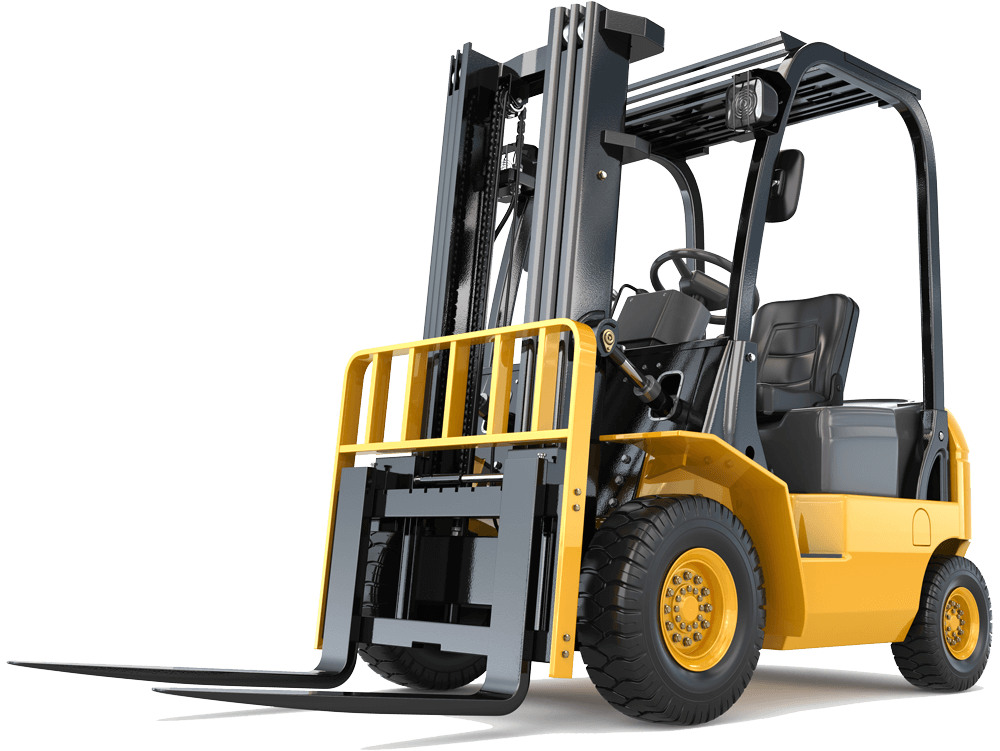
There is no requirement to fit lights to a Forklift. PUWER 98 Regulation 28f relates to Lighting fitting to mobile work equipment for use in dark or restricted light areas.

Every employer shall ensure that, where self-propelled work equipment may, while in motion, involve risk to the safety of persons if provided for use at night or in dark places
  1. it is equipped with lighting appropriate to the work to be carried out;
  2. is otherwise sufficiently safe for such use.
“Dark” means any situation where the level of light is not sufficient for the driver to operate self propelled work equipment without involving risk to themselves or others in the vicinity.

Where the situation calls for appropriate lighting, the lighting level required is dependant on the equipment type being operated, how it is operated and the area of operation. Consideration should be taken are the presence of other persons or obstacles in the locality where there is any risk of accident.

If there is a risk of accident then lighting must be adequate to minimise any risk. The above only refers to lighting on mobile equipment. Workplace Lighting is separately covered by PUWER 98 Regulation 21. As can be seen from the above lighting is very much a matter for risk assessment. While the regulation gives clear guidance on what factors should be considered, it may be that improved lighting to the workplace provides a more satisfactory solution.


LIGHTING AND PUBLIC ROADS

Fork Lifts only operated on public roads between sunrise and sunset and not fitted with front and rear lamps then the vehicle is exempt from requiring lights. This does not apply for the hours of darkness when appropriate lighting must be fitted and operated.


FLASHING BEACONS

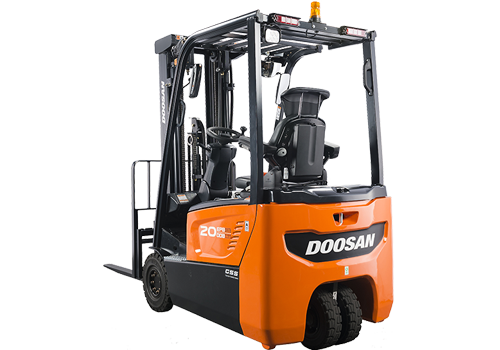
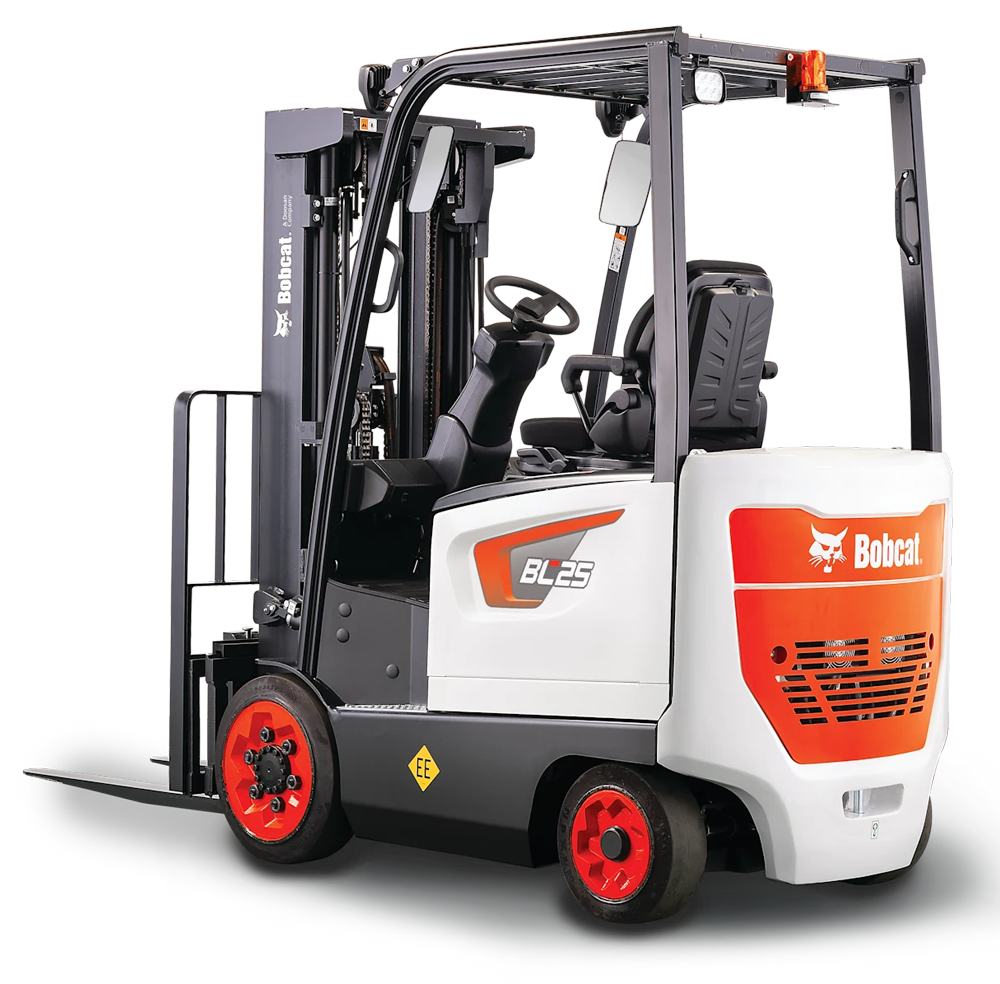
There is no specific for flashing beacons to be fitted to Forklift Trucks although these are an advisable safety aid. PUWER 98 Reg 24 states that every employer shall ensure work equipment incorporates and warnings or warning devices which are appropriate for the reasons of health and safety. Warnings must be easily perceived and understood, and unambiguous. It is important to consider factors which affect people’s perception of such devices, especially for warnings of imminent danger.

For general operation the fitting of Flashing beacons will be a matter for risk assessment.  The circumstances where the advantage of fitting will not improve safety are minimal. Beacons should always be fitted by trained personnel only as incorrect fitment may damage the machine or cause unnecessary hazard. In bright light areas or where several machines are operating together this should be taken into consideration before fitment. It is advisable to ensure that Flashing beacons can be  switched off for environmental consideration.

There are certain situations where Flashing beacons must be fitted:

  • On any vehicle that is engaged in road works (even when parked)
  • On any truck driven on a dual carriageway.
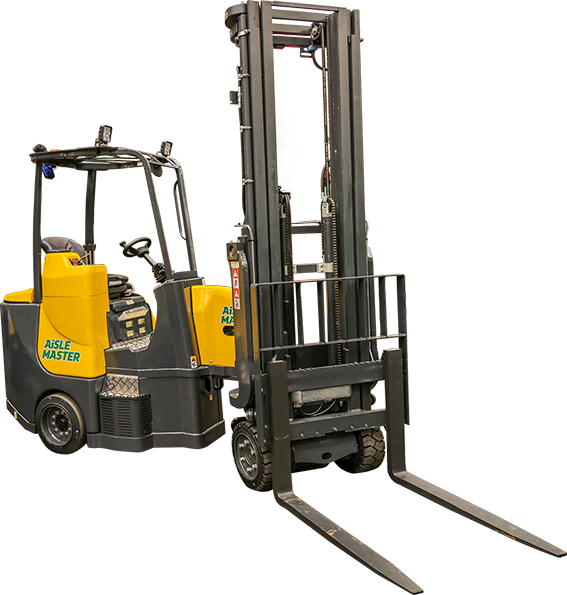
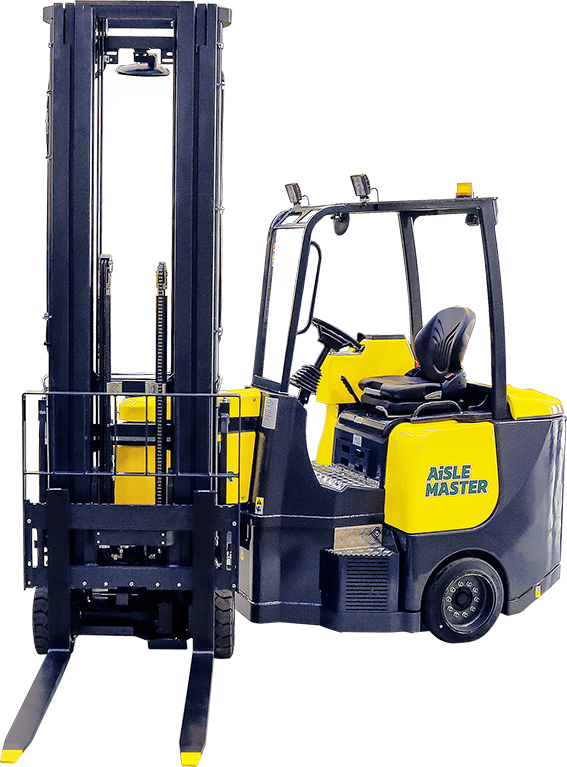
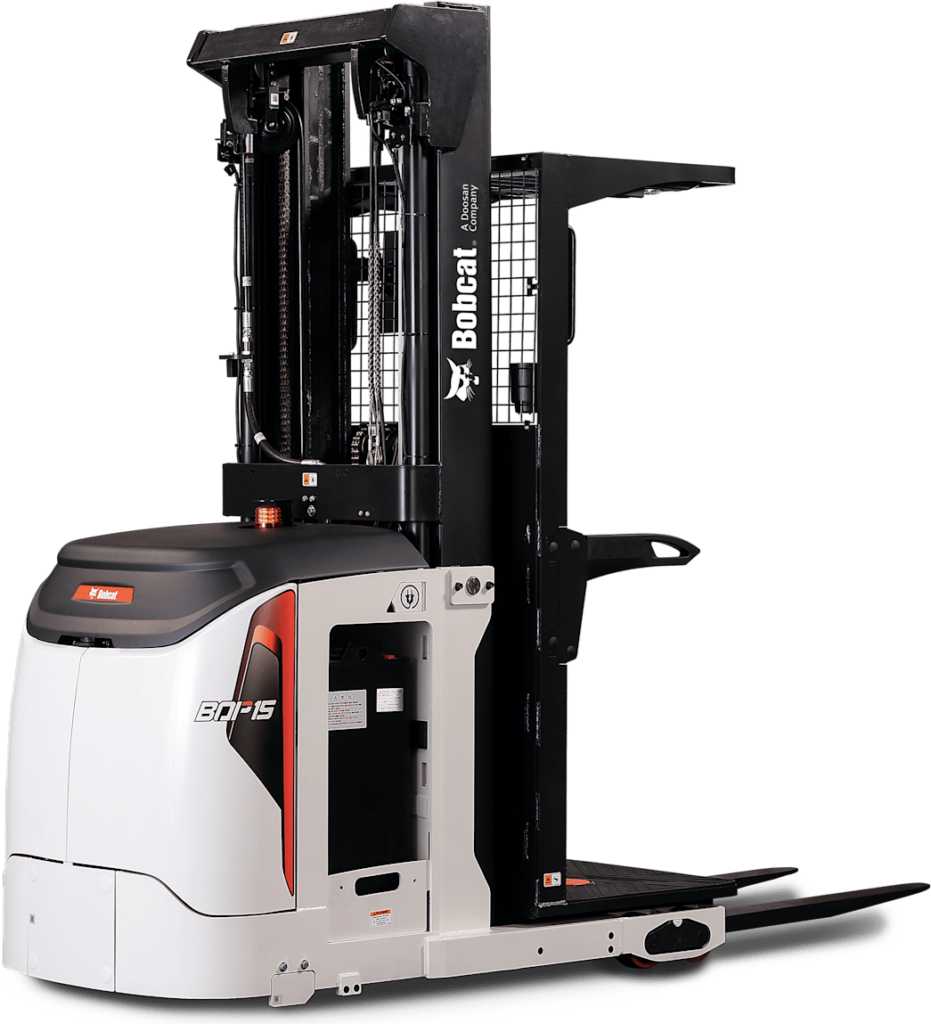
  • On Man Up, VNA (Very Narrow Aisle) equipment.


Page content courtesy of the Fork Lift Truck Association.


Newsletter

Sign up to our newsletter to be kept informed of the latest legal updates and information.


Receive HTML?
We will not use your details for any other purpose than to provide you with regular updates from BudgetFT.